

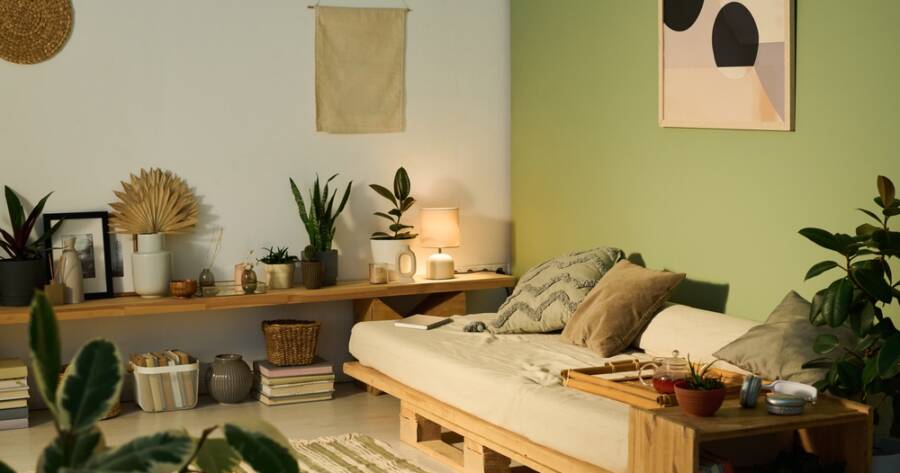
Building a steady meditation habit can be challenging, especially with busy schedules and constant distractions. Many people in the United States want to meditate more often but struggle to stay consistent. One simple way to support your goal is by creating a dedicated space at home for quiet reflection. A thoughtful setup can reduce distractions, make meditation more inviting, and help you return to the practice each day with less effort.
Choose a Quiet and Consistent Location
The first step in setting up a home meditation space is choosing the right location. You do not need a large room or special studio. A small corner of a bedroom, living room, or even a quiet hallway can work well. The key is consistency. Try to use the same spot each time you meditate so your mind begins to associate that area with calm.
Look for a space with minimal foot traffic. If you live with family or roommates, communicate your meditation time so others know not to interrupt. Natural light can be helpful, but avoid harsh overhead lighting. Soft, indirect light often creates a more peaceful atmosphere.
Keep the Space Simple and Uncluttered
Clutter can distract your attention before you even begin. Clear away unnecessary items from your chosen space. You do not need many objects for meditation. In fact, fewer items can make the area feel calmer and more focused.
Consider adding only a few meaningful elements. A small plant, a candle, or a simple piece of art can make the space feel inviting without becoming busy. The goal is to create an environment that feels peaceful and easy to enter. When the area looks calm, your mind may follow.
Select Comfortable Seating
Comfort plays a major role in maintaining a meditation habit. If you are physically uncomfortable, it will be difficult to stay focused. Choose seating that supports your posture without causing strain. This could be a meditation cushion, a folded blanket, or a supportive chair.
If sitting on the floor, keep your hips slightly elevated above your knees to reduce pressure on your lower back. If you prefer a chair, sit with your feet flat on the floor and your back straight but relaxed. The goal is to remain alert while also feeling at ease.
Test different options to find what works best for your body. When your seating feels right, you are more likely to return to the practice regularly.
Reduce Noise and Digital Distractions
Noise can disrupt meditation, especially for beginners. If outside sounds are common in your area, consider using a small white noise machine or a fan to create a steady background sound. Soft instrumental music can also help mask sudden noises.
Turn off phone notifications during your meditation time. If you use a meditation app, switch your phone to airplane mode after starting the session. This prevents unexpected alerts from breaking your focus.
If possible, keep your meditation space free from work materials, television screens, and other reminders of daily stress. Separating this area from your work environment helps your brain shift into a calmer state more easily.
Add Gentle Rituals to Support Consistency
Small rituals can strengthen your habit. Lighting a candle, ringing a small bell, or taking three deep breaths before you begin can signal the start of your practice. Over time, these actions become cues that help your body and mind settle more quickly.
Keep your meditation items in the same place so you do not waste time searching for them. When everything is ready and easy to access, you remove barriers that might prevent you from practicing.
You may also set a consistent time each day, such as first thing in the morning or before bed. Regular timing combined with a dedicated space creates structure, which supports long-term consistency.
Keep the Space Flexible and Personal
Your meditation space does not have to look like anyone else’s. Some people prefer a minimalist design with neutral colors. Others feel inspired by soft fabrics or calming artwork. Choose elements that feel supportive to you.
At the same time, avoid making the setup too complicated. If your space requires a long setup process, you may feel less motivated on busy days. Keep it simple enough that you can sit down and begin within a minute or two.
If your living situation changes, adjust your space rather than abandoning your practice. Even a small portable setup with a cushion and a quiet corner can maintain the habit.
Create a Space That Welcomes You Back
A home meditation space does not need to be large or expensive to be effective. What matters most is that it feels calm, comfortable, and consistent.
By choosing a quiet location, keeping the area uncluttered, selecting supportive seating, reducing distractions, and adding small rituals, you create an environment that encourages daily practice. When your space feels welcoming and easy to use, meditation becomes less of a task and more of a steady, supportive habit.