

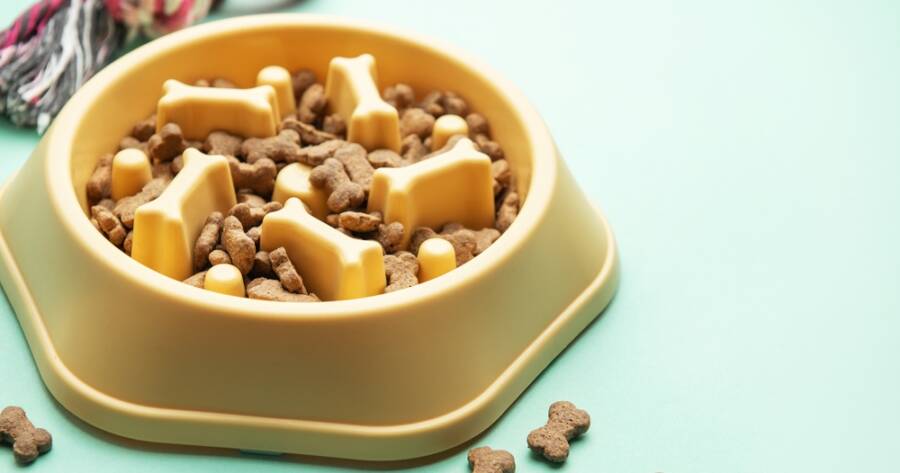
Many dogs eat their meals quickly, gulping down kibble or wet food in a matter of seconds. While a voracious appetite may appear healthy, fast eating can lead to digestive problems such as bloating, gas, and vomiting. Slow feed bowls are designed to help dogs eat at a gentler pace. For pet owners in the United States, using the right slow feeder can make mealtime calmer, healthier, and safer for your dog.
Why Dogs Eat Too Fast
Fast eating is common in dogs of all ages. Some dogs feel competition at mealtime, especially in multi-dog homes. Others simply enjoy food and want it gone as quickly as possible. When dogs eat too fast, they swallow large amounts of air along with their food. This can cause discomfort in the stomach as air expands and moves through the digestive tract.
Rapid eating also reduces the time a dog has to chew food properly. Chewing helps break down pieces into smaller bits, which eases digestion in the stomach and intestines. When food moves too quickly into the gut, it can lead to soft stools, bloating, or even vomiting soon after eating. Using a slow feed bowl helps manage this by forcing a slower pace.
How Slow Feed Bowls Work
Slow feed bowls are different from regular dishes. They include ridges, mazes, or raised patterns that create small barriers between food pieces. When you pour kibble into the bowl, the food fills these pathways. The dog has to move around the ridges to reach each bite, which naturally slows down eating.
Some slow feeders have simple patterns that work well for most dogs, while others are shaped like puzzles that add a little challenge. The idea is never to frustrate a dog, but to encourage steady, focused eating. Most models are easy to clean and fit into normal feeding areas without taking up too much space.
Choosing the Right Slow Feed Bowl
When selecting a slow feed bowl, size matters. Smaller breeds may need shallow bowls with lower obstacles so they can reach the food without strain. Larger breeds might prefer deeper bowls with broader pathways that require a bit more effort. Consider your dog’s muzzle size and eating style.
Material is another consideration. Slow feed bowls come in plastic, silicone, and stainless steel. Silicone is flexible and easy to wash, while stainless steel is heavier and often lasts longer. Whatever material you choose, make sure it is safe for food and easy for you to clean regularly.
Introducing the Bowl to Your Dog
Some dogs take to a slow feed bowl right away, while others need a bit of encouragement. Start by offering familiar food in the new bowl so there is no change in taste. Place the bowl in your dog’s normal eating area, and let them explore it at their own pace.
At first, your dog may get frustrated if the food is harder to reach. If this happens, you can put a small amount of food in the bowl at first or use treats to guide your dog through the maze. Short praise and calm encouragement help your dog understand that the goal is to eat at a gentler pace. For dogs that are highly food-driven, slow feeders usually become fun and engaging.
Monitoring Your Dog’s Response
Once your dog starts using the slow feed bowl, watch how they eat for the first few meals. Ideally, the dog should take more time to finish the food without signs of stress or anxiety. If your dog still eats too quickly, you may need a bowl with a more complex pattern or additional obstacles.
Monitoring also helps you notice any changes in digestion. Slower eating should reduce air intake and make stools firmer over time. Pay attention to your dog after meals: less burping, fewer tummy noises, and fewer episodes of vomiting can all signal that the bowl is helping.
Alternatives And Add-Ons
In addition to slow feed bowls, you can use activity mats and puzzle feeders. These work on the same principle by scattering food or treats across a surface that requires effort to collect. Another idea is to scatter some kibble on a clean floor or flat surface to increase foraging time, though this may not be practical for everyday meals.
For dogs who need extra encouragement to slow down, you can combine a slow feed bowl with meal timing. Instead of leaving food out all day, offer meals at set times so your dog learns that slower eating is the way to enjoy food consistently.
Make Mealtime Healthy And Calm
Slow feed bowls are a simple, effective tool to improve your dog’s digestion and reduce the physical stress of eating too fast. By choosing the right size and style for your dog, introducing it with positive encouragement, and monitoring how your dog responds, you can help prevent common issues like bloating and vomiting. With regular use and proper cleaning, a slow feed bowl can turn mealtime from a rushed routine into a calmer, healthier habit for your dog.