

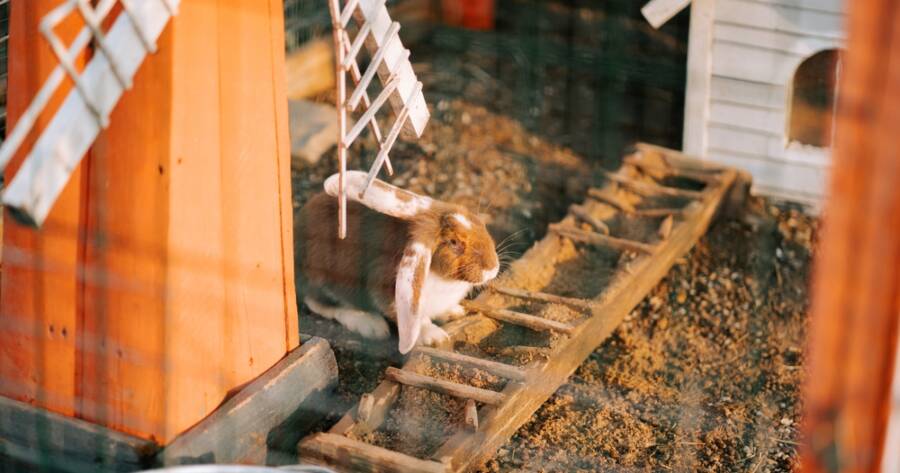
Rabbits are curious, active animals that enjoy digging, hopping, and exploring. Giving them a safe outdoor space lets them enjoy fresh air and sunshine while protecting them from danger. Pet owners need to consider weather, predators, and comfort when building an outdoor enclosure. A well-planned setup gives your rabbit space to play and forage, while keeping them secure and healthy. With the right design and materials, outdoor time can be fun for both you and your rabbit.
Choose the Right Location
The first step in building a safe outdoor enclosure is picking the best spot in your yard. Look for a flat, level area that gets a mix of sun and shade. Rabbits can overheat easily, so part of the space should be shaded by a tree, a porch cover, or a simple tarp. Avoid placing the enclosure in direct sun all day.
Also consider ground conditions. Your rabbit’s enclosure should be on firm soil or grass, not in low spots that collect water after rain. If you live in a region with heavy afternoon storms or extreme weather, position the enclosure near a shelter or under a more solid roof so you can quickly protect your rabbit when needed.
Build A Strong Frame and Walls
Once you’ve chosen a location, it’s time to build the frame and walls of the enclosure. A basic outdoor rabbit run can be constructed with treated lumber for the frame and welded wire mesh for the walls. Choose wire mesh with small enough squares (about 1 inch or smaller) so your rabbit can’t squeeze through and predators like raccoons and stray dogs can’t reach in.
The walls should be at least 3–4 feet high if your rabbit is allowed to hop freely inside. Rabbits are good jumpers, and taller sides help prevent escape. For even more security, consider adding a roof or netting over the top, especially if birds of prey are common in your area.
Protect the Bottom With Burrow Guards
Rabbits love to dig, and a safe outdoor enclosure must prevent them from escaping underground or predators from tunneling in. One way to do this is to install a burrow guard or skirt around the bottom of the run. This can be a strip of wire mesh buried 12–18 inches into the ground around the perimeter.
Another option is to place heavy-duty paving stones or concrete blocks along the base of the fence on the inside. This discourages your rabbit from digging right at the edge and adds weight that makes it harder for predators to push under the fence. Always check the ground regularly for signs of digging so you can repair any weak spots quickly.
Add Shelter and Comfort Inside
Your rabbit will need more than just space to hop. Inside the enclosure, add a sturdy shelter where your rabbit can retreat from wind, rain, and sun. This could be a small wooden hutch with a solid floor and roof or a weather-resistant box lined with clean bedding such as straw or hay.
Provide materials like extra hay, a water bottle, and heavy food bowls that can’t tip over easily. Rabbits also enjoy hiding places like tunnels, untreated wood ramps, and cardboard boxes. These give them chances to explore or rest in different ways, which supports mental and physical well-being.
Consider Flooring Options
The ground surface inside the enclosure affects comfort and cleanliness. Bare soil is fine for many rabbit runs, but if your rabbit’s feet stay wet or muddy, it can lead to sore hocks or discomfort. You can add grass mats or artificial turf over the soil to give a cleaner surface that still feels natural.
You may also use large pieces of outdoor-safe plywood covered with hay or straw to give a raised dry area. Avoid wire mesh flooring, as it can hurt rabbit feet over time. Soft, solid ground is always best for long-term comfort.
Keep Fresh Water and Food Accessible
Hydration is critical, especially during warm weather. Place a water bottle or heavy, tip-proof bowl in the enclosure so your rabbit always has access to fresh water. Check and refill the water at least twice a day, since outdoor sun and wind can warm the water quickly.
Feed your rabbit its regular diet inside the enclosure. A balanced mix of quality hay, pellets, and fresh greens keeps your rabbit healthy and provides natural grazing opportunities. Scatter some hay around the enclosure to encourage foraging behavior, which makes outdoor time more enriching.
Monitor Weather and Predators
Even a great outdoor enclosure needs regular oversight. In the United States, weather can be unpredictable, with sudden storms, high heat, and cold snaps. If a weather alert is issued, bring your rabbit inside or provide additional shelter until conditions improve.
Predators like raccoons, dogs, foxes, and birds of prey can pose a risk, especially at dawn and dusk. Check the enclosure daily for holes, loose wire, or signs of digging. Adding motion-activated lights or secure locks can help deter unwanted visitors.
Create A Safe, Enriching Outdoor Space
A well-designed outdoor enclosure gives your rabbit a chance to enjoy fresh air and natural behaviors while staying protected. Start with a good location, build strong walls and burrow guards, and include shelter, soft bedding, and easy access to food and water.
Be diligent about checking for weather changes and signs of predators, and make sure the space stays clean and comfortable. With thoughtful planning and regular care, your rabbit’s outdoor enclosure can become a safe place for play, exploration, and happy hops.