

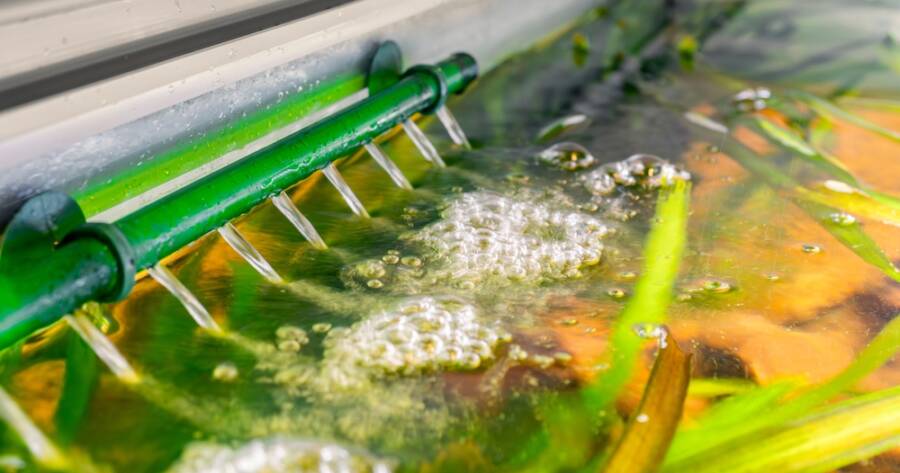
A good filter is one of the most important tools in a freshwater fish tank. It keeps the water clear, helps remove waste, and supports the helpful bacteria your fish need to stay healthy. Most beginner tanks do well with simple, reliable filters, but the “right” choice depends on your tank size, fish load, and how much maintenance you can handle. Understand the main filter types as well as how to pick one that fits your setup.
Know The Three Jobs A Filter Must Do
Most aquarium filtration is best understood as three jobs working together: mechanical, biological, and chemical. Mechanical filtration traps visible debris like uneaten food and plant bits. Biological filtration provides a home for beneficial bacteria that help break down fish waste. Chemical filtration uses media like activated carbon to remove certain dissolved compounds and odors.
Biological filtration matters because fish waste can produce ammonia, which is harmful. In a healthy tank, beneficial bacteria convert ammonia to nitrite and then to nitrate, which is easier to manage with water changes and plant growth.
Match The Filter Type To Your Tank And Fish
Hang-on-back (HOB) filters are one of the most common choices for small to mid-size freshwater tanks. They are easy to install, simple to clean, and provide strong mechanical filtration. Models like the Fluval AquaClear 50 are designed around multi-stage filtration and are built to hold different media types for mechanical, chemical, and biological filtering.
Canister filters are a good fit when you want higher media capacity, cleaner plumbing, and strong filtration for larger tanks. A well-known example is the Fluval 407, which is designed for aquariums in the 50–100 gallon range and is positioned as a quiet, efficient canister option.
Sponge filters are a simple option that many breeders and shrimp keepers like. They are air-driven, gentle, and provide a lot of surface area for beneficial bacteria. Aquarium Co-Op highlights sponge filters as reusable, low-hassle, and fully contained inside the tank.
Pick Features That Make Daily Care Easier
For many freshwater tanks, the best filter is the one you will maintain consistently. Look for designs that let you clean the “first stage” (where gunk collects) without taking the whole system apart. Some HOB filters also include helpful features like adjustable flow, which can matter if you keep fish that dislike strong current.
If surface film bothers you, a surface skimmer intake can help pull that top layer into the filter. The Seachem Tidal line, for example, lists a dual water intake with a surface skimmer, plus adjustable flow and a basket that can hold many kinds of filter media.
Also consider noise, space, and power-outage behavior. Canister filters often run quietly once set up well, while HOB filters may get louder if the water level drops. Sponge filters are usually quiet, but the air pump you choose can add hum.
Choose Filter Media Without Overcomplicating It
A practical media plan looks like this:
- Mechanical: sponge or floss to catch debris (rinse it often).
- Biological: long-lasting media like ceramic rings or porous blocks where bacteria can live.
- Chemical: activated carbon or other chemical media only when you have a clear reason (odor, tannins, or after certain treatments).
Many filters ship with starter media, but you can often improve performance by using a thicker sponge or adding more biological media space. The key is not to replace biological media too often, because that can reduce the helpful bacteria your tank relies on. The goal is steady, simple, repeatable maintenance that keeps bacteria housed and working.
Set A Maintenance Routine That Protects Beneficial Bacteria
A good filter can fail if it clogs and slows down. For many tanks, a quick rinse of the mechanical media (in removed tank water, not soapy tap water) is enough to keep flow steady. Sponge-filter instructions commonly emphasize rinsing and squeezing the sponge to remove trapped debris during cleaning.
Try to avoid “deep cleaning” everything at once. If you scrub all media until it looks brand new, you may remove too much beneficial bacteria and upset water stability. Instead, clean mechanical media more often, and only gently rinse biological media when it is truly packed with debris. Keep an eye on flow rate and water clarity—those are your early warning signs.
Build A Simple System You Can Maintain
The right filtration system is the one that matches your tank size, your fish, and your time. A HOB filter like the AquaClear-style design can be a great starting point for many freshwater tanks. If you have a larger tank or want more media capacity, a canister filter like the Fluval 407 is built for that kind of workload. If you want gentle, low-fuss filtration for fry, shrimp, or calm fish, a sponge filter can be an excellent choice.
Focus on the basics: strong mechanical cleanup, steady biological support for the nitrogen cycle, and maintenance you can stick with week after week.