

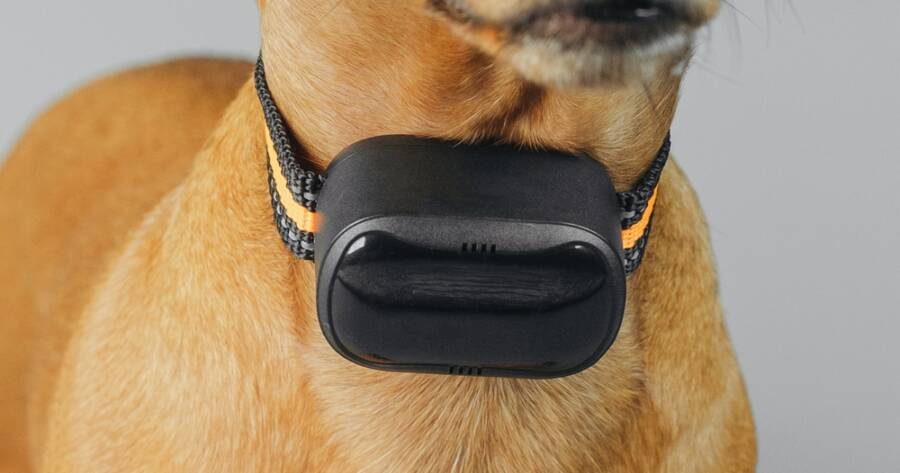
Outdoor dogs are constantly on the move, and that freedom can come with risk. A GPS tracker can help you find your dog fast if they slip a leash, bolt after wildlife, or wander beyond sight. For dog owners, the best choice depends on where your dog runs, how often you travel, and whether you need real-time tracking or just an escape alert. Understand how to choose the right tracker for your dog.
Start With The Two Main Tracker Types
Most dog GPS trackers fall into two buckets: cellular GPS trackers and radio-based systems. Cellular trackers use GPS to find location, then send it to your phone over mobile networks, usually with a required subscription because the device uses a built-in SIM. Tractive explains this model directly, including why a plan is needed for its SIM to connect and send updates.
Radio-based systems are common with hunting dogs and very remote trips. Instead of relying on cell towers, the collar talks to a handheld receiver over radio, so they can work where cell service is weak. Garmin’s TT25 collar, used with an Alpha handheld like the Alpha 300i, is designed for this kind of tracking and lists a range up to 9 miles.
Pick A Cellular Tracker For Everyday Outdoor Dogs
If your dog’s “outdoor” time is parks, neighborhoods, beaches, or trails near towns, a cellular tracker is usually the easiest fit. Fi’s collars are built around this idea, using GPS with LTE-M to send location to the Fi app, and Fi notes that an active membership is part of how the device uses LTE-M coverage.
Tractive is another strong option for everyday tracking, especially if you want features like virtual fences that alert you when your dog leaves a safe area. Tractive also explains that its trackers rely on cellular networks (via a built-in SIM) to send location updates to your phone. If you travel across states, checking coverage where you hike or camp matters for any cellular tracker.
Consider A GPS “Fence” Collar If You Want Boundaries
Some owners want both tracking and a way to set boundaries without installing a physical fence. GPS fence collars focus on creating virtual areas and sending alerts when your dog crosses them. Halo markets its Halo Collar 5 as a portable GPS dog fence that also supports location tracking, which can be useful for cabins, RV trips, or visiting family.
These systems work best when your dog is trained to understand the boundary cues. Think of the fence feature as a safety tool, not a replacement for recall training and supervision. If your dog is a strong runner, also look for fast “lost mode” updates, a secure collar fit, and clear escape alerts so you can react quickly.
Choose A Garmin-Style System For Remote Coverage Gaps
If you hunt, work ranch land, or hike far from cell service, a radio-based setup can be the safer choice. Garmin’s TT25 collar and Alpha 300i handheld are built for tracking in the field and are designed to track dogs up to 9 miles away from the handheld. That direct link can matter when your phone has no signal.
The Alpha 300i also highlights inReach features like two-way satellite messaging and SOS alerts (with a subscription), which can be useful if you go deep into remote areas. Not every outdoor dog owner needs this level of gear, but for serious backcountry use, it can be a practical upgrade for both dog tracking and human safety planning.
Avoid Common Mistakes Like Bluetooth-Only Trackers
Many people consider Bluetooth item trackers, but they are not the same as true GPS dog trackers. For example, reports on AirTag updates note that AirTags are not GPS devices and instead rely on Bluetooth signals and the Find My network for location updates. That can be unreliable if your dog runs where there are few nearby phones.
Another practical mistake is buying into a platform that may not be supported long-term. Whistle trackers were known for using GPS, Wi-Fi, and AT&T’s network, but Engadget reported that Whistle pet trackers were shutting down, which is a major risk for any device that depends on an active service. Before you buy, confirm the product’s current support and app status.
Match The Tracker To Where Your Dog Roams
Choosing the right GPS tracker starts with one question: where will your dog be when you need tracking the most? If your dog is outdoors in areas with solid cell coverage, a cellular tracker like Fi or Tractive can be simple and effective, with app-based tracking and escape alerts tied to mobile networks and subscriptions.
If you spend time far from towns, a radio-based system like Garmin’s Alpha handheld and TT25 collar can be a better fit because it does not depend on cell towers for the core tracking link. Whichever route you choose, prioritize a secure collar fit, strong battery habits, and a setup you will actually use every day—because the best tracker is the one that’s ready before your dog decides to sprint.