

Every month, electricity, gas, and water bills are part of the budget for households across the United States. One effective way to reduce utility costs is by choosing energy-efficient appliances that use less power and water while doing the same job as older or standard models. Modern energy-saving appliances often last longer and perform better, helping both your wallet and the environment. Understand how to make smart choices in your home.
Why Energy Efficiency Matters
Appliances account for a large share of household energy use. Refrigerators, laundry machines, dishwashers, HVAC systems, and water heaters can all contribute to your utility bill, especially when they run frequently or operate inefficiently.
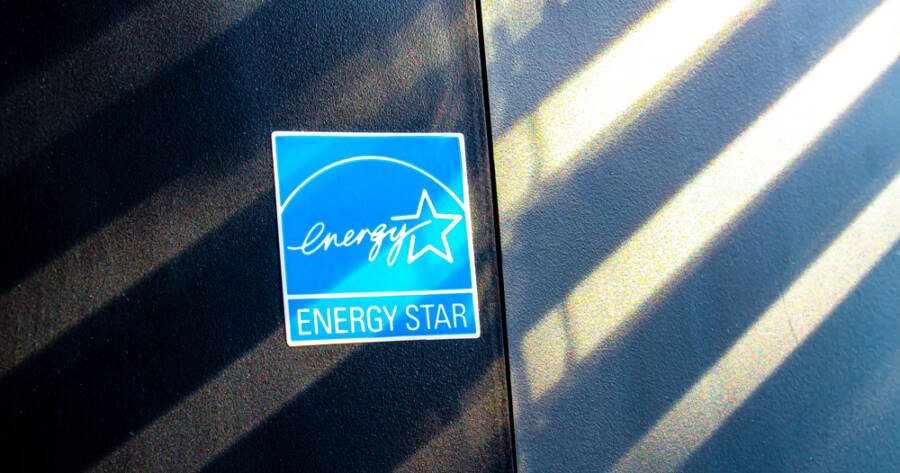
Choosing energy-efficient models can reduce overall consumption because these appliances are designed to meet strict performance and efficiency standards set by the U.S. Environmental Protection Agency under the ENERGY STAR program. ENERGY STAR-certified products use significantly less energy and water than standard models.
Refrigerators: Save Energy Around the Clock
Refrigerators run all day, every day, which makes them one of the biggest energy users in the kitchen. Older models, in particular, may lack modern insulation and efficient compressors, resulting in higher electricity use. ENERGY STAR-certified refrigerators are built to use less energy while maintaining consistent cooling, and they often include features like improved insulation and more efficient defrost cycles to reduce waste.
Replacing an inefficient fridge with an ENERGY STAR model can cut a substantial amount of yearly energy use and lower your monthly electric bill. It’s especially important if your current fridge is more than a decade old or lacks energy-saving features.
Dishwashers: Reduce Power and Water Use
Modern dishwashers have become much more efficient than older ones and even compared with frequent hand washing, particularly when you use the dishwasher’s energy-saving cycles. New models with the ENERGY STAR label can use less water and electricity per cycle, thanks to technologies like soil sensors and efficient spray jets that clean effectively without wasting resources.
To maximize efficiency, run full loads and use eco or energy-saving modes when possible. This reduces the number of cycles needed and keeps both water and power use lower.
Laundry Machines: Efficient Wash and Dry
Clothes washers and dryers are other major contributors to energy and water bills. ENERGY STAR-certified front-loading washers typically use less energy and water than older top-loading models because they spin faster and contain water more efficiently. These washers also often have adjustable water levels and cycle options that match the size of your load, which avoids wasting resources.
Energy-efficient dryers also include features like moisture sensors that shut off the machine when clothes are dry, avoiding extra energy use. Using high-spin cycles in the washer before drying also cuts drying time and power consumption.
Heating and Cooling Upgrades
While larger systems like HVAC units and heat pumps are technically beyond typical “appliances,” they play a big role in energy use and utility costs. ENERGY STAR and high-efficiency heat pump water heaters are designed to use less electricity or gas to heat water—a major energy expense in many households.
Also consider smart thermostats that help manage heating and cooling more efficiently by reducing temperature when you are away and adjusting it to save energy during the day. Though not appliances in the traditional sense, these systems work with your HVAC setup to cut wasted energy use.
Other Efficient Choices Around the Home
Energy-efficient products include more than big appliances. ENERGY STAR covers a wide range of home devices, such as dehumidifiers, ceiling fans, ventilation fans, and even advanced lighting options like LED bulbs, all designed to use less energy while improving comfort and performance.
Even small upgrades contribute over time. For example, an efficient dehumidifier can help reduce the workload on your air conditioner, and LED lighting uses far less power than traditional bulbs and lasts longer, which lowers both electric bills and replacement costs.
Tips for Buying and Using Efficient Appliances
When shopping for new appliances:
- Look for the ENERGY STAR label to ensure the product meets independent efficiency standards backed by the EPA.
- Read the EnergyGuide label to compare how much electricity the appliance uses annually compared to similar models.
- Choose the right size for your household needs—oversized units often waste energy.
- Maintain appliances by cleaning filters and performing regular service so they continue to run efficiently.
Proper use and care can improve efficiency even further, whether it’s running the washing machine with full loads or scheduling dishwasher cycles during off-peak hours to take advantage of lower energy rates.
Choose Efficiency for Savings and Comfort
Replacing older appliances with energy-efficient alternatives is a practical way to lower utility bills while also supporting environmental goals. ENERGY STAR-certified refrigerators, dishwashers, laundry machines, and heating-related products are all designed to use less energy and water than traditional models.
Understanding labels like ENERGY STAR and EnergyGuide helps you shop smartly, while thoughtful use and maintenance ensure ongoing savings. With energy costs rising, selecting efficient appliances provides lasting value, comfort, and peace of mind.