

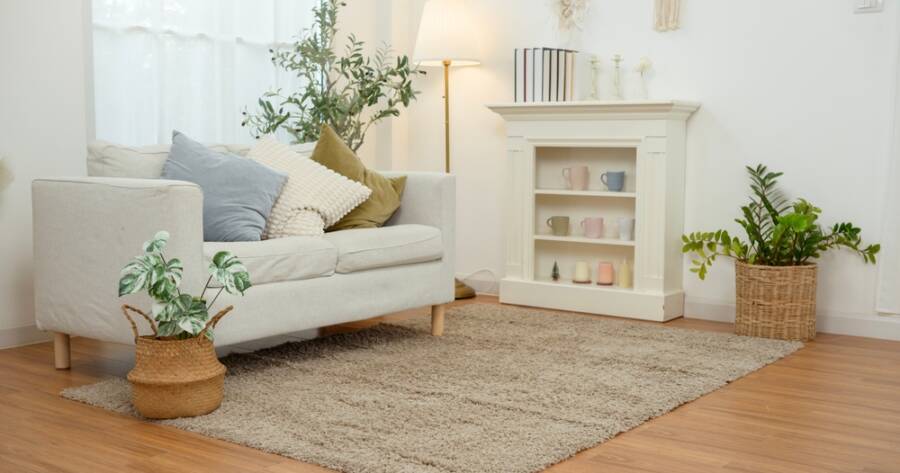
A minimalist living room can feel calm, open, and easy to maintain. Many people in the United States are drawn to minimalism because it reduces clutter and creates a more peaceful home environment. The good news is that you do not need a large budget to achieve a clean and simple look. With thoughtful planning and careful choices, you can design a minimalist living room that feels intentional and welcoming without overspending.
Start by Decluttering and Defining the Space
Before buying anything new, begin by removing items that do not serve a purpose. Minimalism is about keeping what is useful or meaningful and letting go of what creates visual noise. Clear off surfaces, remove excess décor, and sort through furniture pieces that feel bulky or unused.
After decluttering, define the main function of your living room. Is it primarily for relaxing, entertaining guests, or watching television? Knowing the main purpose helps you decide which furniture pieces are essential. When each item has a clear role, the room naturally feels more organized and balanced.
Choose a Neutral Color Palette
A neutral color scheme is a hallmark of minimalist design. Shades such as white, beige, soft gray, and muted earth tones create a calm atmosphere. These colors also make small spaces appear larger and brighter.
You do not need to repaint the entire room if that is not in your budget. Simple changes like neutral throw pillow covers, curtains, or an area rug can shift the tone of the space. If you decide to paint, selecting one consistent shade for walls helps create a seamless look. Keep accent colors subtle and limited to one or two tones for visual harmony.
Invest in Key Functional Furniture
In a minimalist living room, fewer pieces of furniture are better. Focus on selecting essential items that offer both comfort and function. A simple sofa with clean lines often serves as the anchor of the room. Pair it with a basic coffee table and perhaps one or two chairs.
Look for furniture with hidden storage, such as a coffee table with drawers or an ottoman that opens. These pieces reduce clutter by providing space to store blankets, remote controls, or books. When possible, choose furniture with simple shapes and neutral upholstery so it blends easily with the rest of the room.
You can also explore secondhand stores, community marketplaces, or local sales for quality furniture at lower costs. Many gently used pieces can be refreshed with new slipcovers or a coat of paint.
Use Lighting to Create Warmth
Lighting plays a major role in minimalist design. Instead of relying on one overhead fixture, consider adding soft lighting through floor lamps or table lamps. Warm light creates a welcoming atmosphere without overwhelming the space.
Natural light is also important. Keep window treatments simple and light in color to allow sunlight to enter the room. Sheer curtains or simple blinds maintain privacy while preserving brightness. A well-lit room feels more open and reduces the need for extra decorative items.
Add Intentional Décor
Minimalism does not mean removing all personality. It means being selective. Choose a few decorative items that reflect your style. This could include a single large piece of art, a simple plant, or a textured throw blanket.
Wall décor should remain limited. Instead of multiple small frames, consider one larger framed print or a clean gallery of two to three coordinated pieces. Plants can add life and color without creating clutter. A single potted plant in a neutral container can soften the space and improve the overall feel.
Avoid filling every empty corner. Leaving open space on shelves and surfaces enhances the minimalist look and allows your selected items to stand out.
Maintain Organization With Smart Storage
Storage solutions are key to keeping a minimalist living room tidy. Use baskets, closed cabinets, or floating shelves to store everyday items. Choose storage pieces that match your neutral color palette for a cohesive look.
Keep cords and electronics organized by using cable clips or cord boxes. Visible wires can disrupt the clean aesthetic. Simple solutions like mounting a television or using a narrow media console can reduce visual clutter.
Make it a habit to reset the room daily. Spend a few minutes each evening returning items to their proper place. Regular maintenance prevents clutter from building up again.
Create Calm Through Simplicity
Designing a minimalist living room on a budget is about making thoughtful choices rather than expensive purchases. Start by decluttering and defining the room’s purpose. Choose neutral colors, focus on essential furniture, and use lighting to create warmth.
Add a few intentional decorative pieces and maintain organization with smart storage. By prioritizing simplicity and function, you can create a peaceful living space that feels open, balanced, and comfortable without straining your budget.