

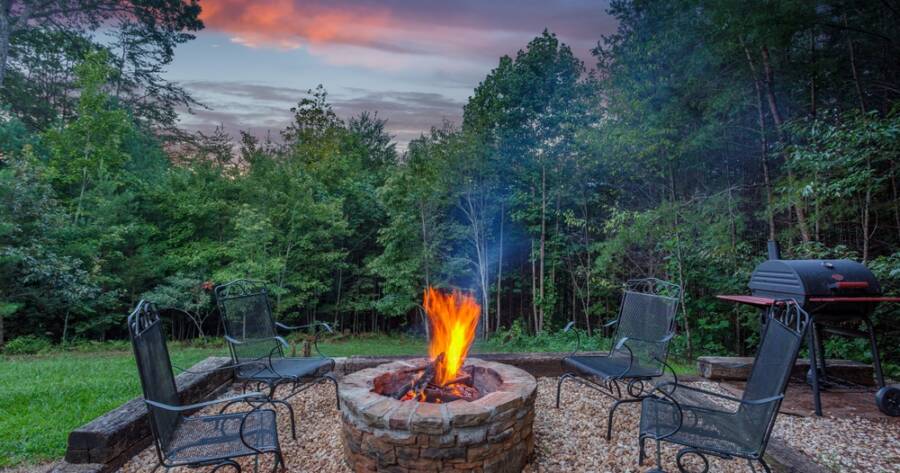
A backyard fire pit can turn an ordinary outdoor space into a welcoming gathering spot. In many parts of the United States, evenings can be cool even in spring and fall, making a fire feature both practical and inviting. With thoughtful planning, you can design a fire pit area that works in every season. The key is choosing the right location, materials, seating, and weather protection so your space remains comfortable all year.
Choose the Right Location and Layout
Start by selecting a safe and practical location. Your fire pit should sit on level ground and be positioned away from your home, fences, and overhanging trees. Always check local fire codes and neighborhood rules before building. Some areas require a certain distance between fire features and structures.
Think about how people will move around the space. Leave enough room for seating and walking paths. A circular layout works well because it encourages conversation and keeps everyone close to the warmth. Make sure there is clear access to the house so carrying firewood or supplies is easy.
Select Durable, Weather-Resistant Materials
To create a fire pit area that lasts through all seasons, choose materials that can handle heat, moisture, and changing temperatures. Stone, brick, and concrete pavers are common choices because they resist heat and hold up well outdoors. Gravel can also be used around the fire pit to improve drainage and reduce mud.
For the fire pit itself, decide between a built-in structure or a portable metal bowl. Built-in fire pits often feel more permanent and polished. Portable fire pits offer flexibility and can be stored during extreme weather.
When selecting furniture, look for outdoor-rated materials such as powder-coated metal, treated wood, or weather-resistant wicker. Cushions should have removable, washable covers and be stored in a dry place during heavy rain or snow.
Create Comfortable Seating for All Seasons
Seating is one of the most important parts of your fire pit design. Choose chairs that allow guests to sit upright while staying close enough to feel warmth. Adirondack chairs, cushioned lounge chairs, and built-in benches are popular options.
For year-round comfort, layer your seating with outdoor blankets and durable throw pillows. In colder months, keep a storage bin nearby with extra blankets. In warmer months, choose breathable fabrics and lighter cushions.
Consider adding a mix of fixed seating and movable chairs. This allows you to adjust the layout depending on the number of guests. Built-in benches with hidden storage can hold firewood or cushions while keeping the space tidy.
Add Lighting and Safety Features
Lighting extends the use of your fire pit area beyond sunset. String lights, solar path lights, or low-voltage landscape lighting create a warm and welcoming glow. Avoid placing lights directly above the fire pit, but use soft lighting around the seating area to improve visibility.
Safety should always be part of your design. Keep a fire extinguisher or bucket of sand nearby in case of emergencies. Use a metal screen cover to prevent sparks from escaping. If you live in an area with dry conditions, follow local fire restrictions and monitor weather alerts.
Clear any dry leaves or debris from around the fire pit before lighting a fire. Regular maintenance helps ensure that your fire pit area remains safe and enjoyable throughout the year.
Plan for Shade and Shelter
To make your backyard fire pit usable in all seasons, think beyond warmth. In summer, direct sunlight can make the area uncomfortable. Add a pergola, shade sail, or large patio umbrella to provide relief from the sun.
In regions with rain or snow, consider a covered patio or gazebo near the fire pit. Even partial coverage can make a difference during light rain. Outdoor heaters can supplement the fire pit in very cold weather, especially in larger seating areas.
Wind protection is also important. Strategic landscaping, such as planting shrubs or installing a privacy screen, can reduce strong gusts. This not only improves comfort but also helps maintain a steady flame.
Incorporate Storage and Organization
A well-designed fire pit area includes practical storage. A small weatherproof cabinet or storage bench can hold firewood, tools, and lighting supplies. Keeping these items close at hand makes setup quick and convenient.
Store firewood in a raised rack to protect it from moisture. Dry wood burns more efficiently and produces less smoke. During winter months, consider covering wood piles with a tarp to prevent snow buildup.
Build a Space That Welcomes Every Season
Designing a backyard fire pit area for year-round use requires thoughtful planning and durable materials. By choosing a safe location, investing in weather-resistant furniture, adding layered seating, and including lighting and shelter, you can create a space that works in every season. A well-designed fire pit becomes more than just a heat source. It becomes a place for conversation, relaxation, and connection throughout the year.